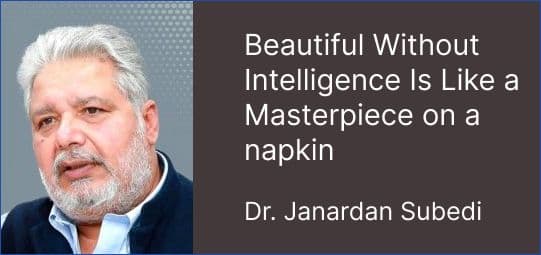
Beauty without intelligence is a masterpiece painted on a napkin.” The line, often attributed to Barbara Pavlin, captures a deceptively simple truth about appearance and substance. A masterpiece painted on a napkin might initially dazzle the eye. The colors look brilliant, the form impressive, and the artistry captivating. For a moment, the observer pauses in admiration. But the surface on which the painting rests is fragile and disposable. A small stain, a careless fold, or the passing of time can easily destroy it. What once appeared magnificent quickly reveals its impermanence.
The metaphor extends beyond art. In public life, appearances without substance may impress temporarily, but genuine value requires understanding and effort. This demonstrates why true leadership must appeal to people’s sense of responsibility.
The orientation of newly elected members of Parliament from Nepal’s Rastriya Swatantra Party (RSP) should have been a serious introduction to legislative responsibility. Instead, it exposed a deeper issue: the gap between symbolic representation and real readiness. Many participants suddenly found themselves in the national spotlight. Some represented a new generation of politicians; others returned from decades abroad. The event called for humility, reflection, and seriousness, but what actually happened told a different story.
The camera moved across rows of elegantly dressed women, smiling, conversing, and occasionally laughing. Their presence reflected an important democratic achievement: Nepal’s constitutional commitment to proportional representation has opened parliamentary space for women who have historically been excluded from politics. This progress is commendable. Yet the scene raised a pressing question: was this a moment of reflection on responsibility, or a social celebration of newfound status? Public office is not merely symbolic; it is a moral and institutional trust.
The overall presentation, broadcast widely, felt somewhere between a Hollywood spectacle and a Bollywood melodrama. Cameras lingered on every gesture, and the event emphasized style over substance. Among the crowd, many Nepali women stood out as exceptionally capable, educated, sophisticated, fluent in both local and global contexts, deeply rooted in Nepali realities, and yet influential beyond what is typically imagined. Where were they in this display? Their absence highlighted a stark dissonance: the event showcased glamour rather than grounded leadership that the nation urgently needs.
Yet, the event also revealed sharp contrasts in personal experience and ability. Two women parliamentarians had faced deep grief; one lost her son, and the other her brother. Their bravery in taking part in national politics despite such losses was impressive, yet the public display mostly overshadowed their dignity and resilience. Meanwhile, several MPs who had spent over 90 percent of their lives abroad struggled even to speak Nepali fluently, making the simple act of communicating in their native language feel as hard as climbing Mount Everest. These contrasts exposed the fragile surface of symbolic representation: visibility alone cannot replace preparation, empathy, or cultural grounding.
And yet, when one looks closely, it becomes painfully obvious. Most of these new representatives have likely never touched the Constitution, let alone studied the practical implications of lawmaking or governance. They are suddenly expected to represent millions, draft legislation, and oversee policies that shape the nation. Is this realism, or are we fooling ourselves? Symbolic presence cannot replace expertise, understanding, or practical engagement. If superficiality continues, it risks undermining effective policy-making and eroding public trust in democracy.
Nepali society is often led to believe that representation has been achieved simply because internationally exposed, English-speaking figures occupy parliamentary seats. Visibility indicates change, yes, but true representation cannot be reduced to language, cosmopolitan exposure, or outward sophistication. Genuine representation requires understanding the lived experiences of the people whose voices one claims to carry.
Watching the orientation video, I found myself asking a straightforward sociological question: whom do these celebratory figures really represent?
The response was not immediately comforting.
They did not seem to reflect my experience or that of many Nepalis whose lives are grounded in the country’s everyday realities. Instead, they represented a carefully crafted image of modern political representation, visually striking but socially detached from most of the population.
As a sociology student, I face another difficult question: can these newly promoted representatives provide meaningful leadership, such as policy expertise, constituency service, and ethical governance? My answer is unsure. Political skill does not develop overnight. Legislative efficiency requires understanding constitutional principles, committee work, policy negotiation, and constituency engagement. Without proper preparation, even the most motivated representatives might struggle to turn their intentions into action.
Nepali voters placed remarkable trust in the RSP. Disillusioned with traditional political forces, many hoped the party represented a break from corruption, stagnation, and political theatrics. They expected transparency, reform, and accountability. Citizens believed the party could deliver meaningful change. But does the party itself recognize the full weight of these responsibilities? The orientation suggested ambivalence.
The event had more of a spectacle than mentorship. Public scolding replaced structured guidance. Cameras recorded interactions that looked more like performances than serious preparation for parliamentary duties. Such theatrics undermine both the dignity of representatives and the seriousness of Parliament.
Irony grew even more intense when considering the venue: a luxury hotel whose owner is currently in jail. Whether intentional or not, the symbolism was unmistakable. A party that claims to oppose corruption and elitism defined its stance in a space fraught with controversy. Symbols matter; when rhetoric and actions don’t align, public trust diminishes.
The challenge goes beyond individual parties; it requires a collective effort. Although progress in inclusion is encouraging, the audience should feel inspired to back systemic reforms that guarantee genuine preparedness and meaningful representation.
Political parties, therefore, bear a significant responsibility. Orientation programs often fall short-they lack structured mentorship, comprehensive policy briefings, and practical legislative training. They should aim to educate rather than embarrass. Newly elected representatives should leave these programs with greater confidence and a clearer understanding of their duties, ensuring that superficial appearances do not substitute for genuine preparedness.
Citizens who support reform deserve more than just visual diversity in parliamentary halls. They deserve lawmakers who can deeply engage with national challenges. They deserve leaders who serve with humility, insight, and resilience.
The metaphor of the masterpiece on a napkin becomes especially relevant here. Beauty can draw attention and inspire admiration. However, without structure and durability, the work cannot stand the test of time.
In politics, symbolic representation without proper intellectual groundwork risks the same outcome. It shines briefly but falls apart under the burden of real governance.
Nepal is at a crucial point. Voters have shown a readiness to support new political groups and fresh leaders. This openness presents a rare chance for institutional renewal and responsible leadership.
Opportunity, however, always comes with responsibility.
Democracy cannot survive on show alone. It needs leaders who blend visibility with skill, representation with accountability, and ambition with modesty.
Mentorship, not humiliation, should guide new representatives. Structured orientation, ongoing support, and institutional grounding ensure symbolic victories lead to meaningful governance. Only then does representation truly matter.
Let us hope these representatives sincerely study Nepal, engage with its realities, and act accordingly. The nation is watching closely. Every statement and decision carries significance. We hope they read, reflect, and understand before speaking, because words without grounding can mislead and undermine trust. Accountability is not just symbolic; it is the foundation of responsible governance.
A masterpiece requires a proper canvas, not a napkin. Representation demands preparation. Leadership calls for substance. Nepal’s democracy will thrive only when those in power understand that public service is a serious responsibility, not a celebratory display. Only then will respect turn into trust, and symbolic wins become genuine democratic progress.
Author Subedi is a Professor of Medical Sociology at Miami University, USA
@DS