By Humaira Qadri, Srinagar, Kashmir-----------
In the aftermath of the abrogation of Jammu and Kashmir’s special status and autonomy in 2019, the Indian state has once again turned its attention to the religious life of Kashmiri Muslims. What began as a mapping of land and demographics has now expanded into the systematic profiling of mosques, shrines, and the clerics and people who run them.
The latest tool in this effort is a four-page questionnaire circulated by Jammu and Kashmir Police to Imams, Khateebs, muezzins, mosque management committees, and Bait-ul-Maal members.
The form, per reports, demands an unprecedented level of personal and institutional data. One page of the form focuses on the mosque itself and its ideological sect (Barelvi, Deobandi, Ahle-Hadith, etc.), year of construction, seating capacity, funding sources, monthly budget, bank accounts, land ownership (including Waqf details), and even structural specifics like number of floors.
The remaining part of the document seeks details of personal and professional lives of those entrusted with managing these sacred spaces. The act places Imams (prayer leaders) and Khateebs (preachers) under extensive scrutiny as they are required to submit a wide range of information, including detailed personal and family records - such as identity documents, educational backgrounds, and information about relatives, even those residing abroad.
The disclosure extends to digital and communication data as authorities in the region seek mobile numbers, handset IMEI details, and social media accounts across platforms like WhatsApp, Facebook, and YouTube of the people associated with these sacred places.
Not just this, financial details are also mandated, including bank accounts, credit and ATM cards, sources of donations, grants, expenditures, and property holdings of the religious institutions and people associated with them. Additionally, people associated with the Masjids, Shrines and other religious institutions have been asked to provide travel histories, disclose foreign contacts and organisational ties.
This is not a routine administrative exercise but part of a broader pattern of coercive control. It goes beyond security screening and mirrors the kind of surveillance Israel has imposed on Palestinians in Gaza and the West Bank, where humanitarian groups are asked to provide extensive staff and family data as a condition for operating.
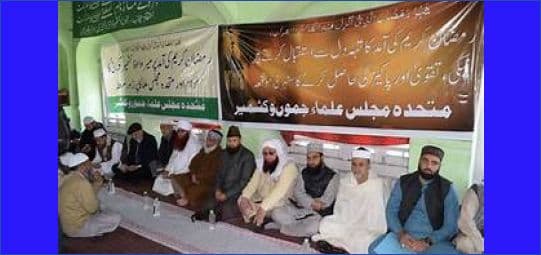
The growing sentiment in Kashmir echoes that “This is not security. This is surveillance”. Muslim religious bodies in the region, including the Muttahida Majlis-e-Ulema (MMU) led by Mirwaiz Umar Farooq, have strongly condemned the move.
A spokesperson for the Muttahida Majlis-e-Ulema (MMU), a conglomerate of Islamic religious organisations in occupied Jammu and Kashmir, described the police profiling as “intrusive”. “It seeks information regarding mosques, their management committees, Imams, Khatibs and individuals associated with places of worship and even their family members,” the MMU said.
The Indian government’s questionnaire clearly seeks to criminalise faith, intimidate religious leadership, and build extensive databases to profile and target those who resist the ongoing occupation and policies of demographic and cultural engineering in Kashmir.
The timing is telling. This exercise follows the abrogation of Article 370, which many in Kashmir view as the beginning of a larger assault on Kashmiri identity, autonomy, and Islamic institutions. Mosques and shrines have been for long the heartbeat of community life, resistance, and spiritual solace but are now being treated as potential security threats rather than places of worship.
By such measures, India’s far right government is now institutionalising Islamophobia by turning every Imam and Khateeb into a suspect. Every detail captured. Every move monitored. Databases built to profile and target. This is control, suppression, and the total institutionalisation of surveillance.
The document is not merely collecting information about mosques; it is building a dossier on the people who animate them. In places like Kashmir and Gaza, that kind of data demand carries a heavier political meaning because it touches religion, security, and communal life at the same time.
Kashmir has a long history of resilience. From the streets to the pulpits, the message remains clear that Kashmir will resist and exist free from the occupation.
Humaira Qadri is a Srinagar, Kashmir based freelance journalist